01 · Three Lines, Eight Images
What the eight trigrams are
At a Glance
- 01
Three lines, eight natural forcesStacking unbroken yang and broken yin lines across three positions yields eight complete images of sky, weather, water, and terrain.
- 02
Two classical ringsEarlier Heaven (Fu Xi) maps cosmic polarity, while Later Heaven (King Wen) maps living seasons and compass space inside a home.
- 03
Read from bottom to topEvery trigram grows upward like a tree from root to crown, and aligns cleanly with the nine-number Luo Shu square.
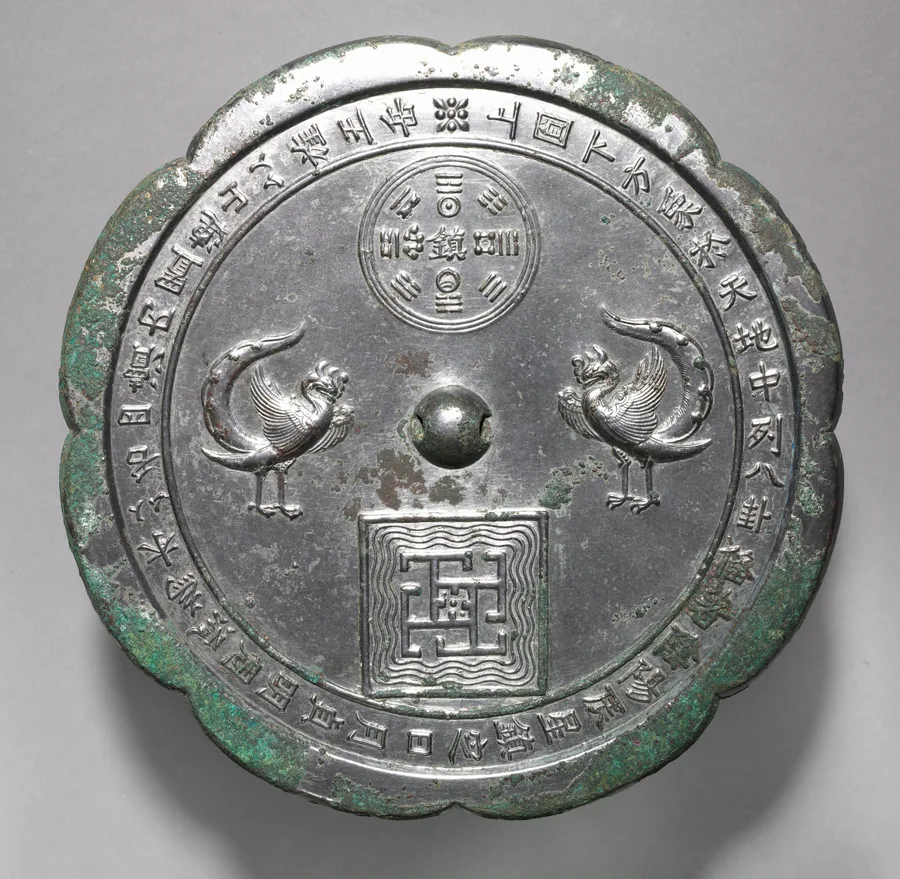
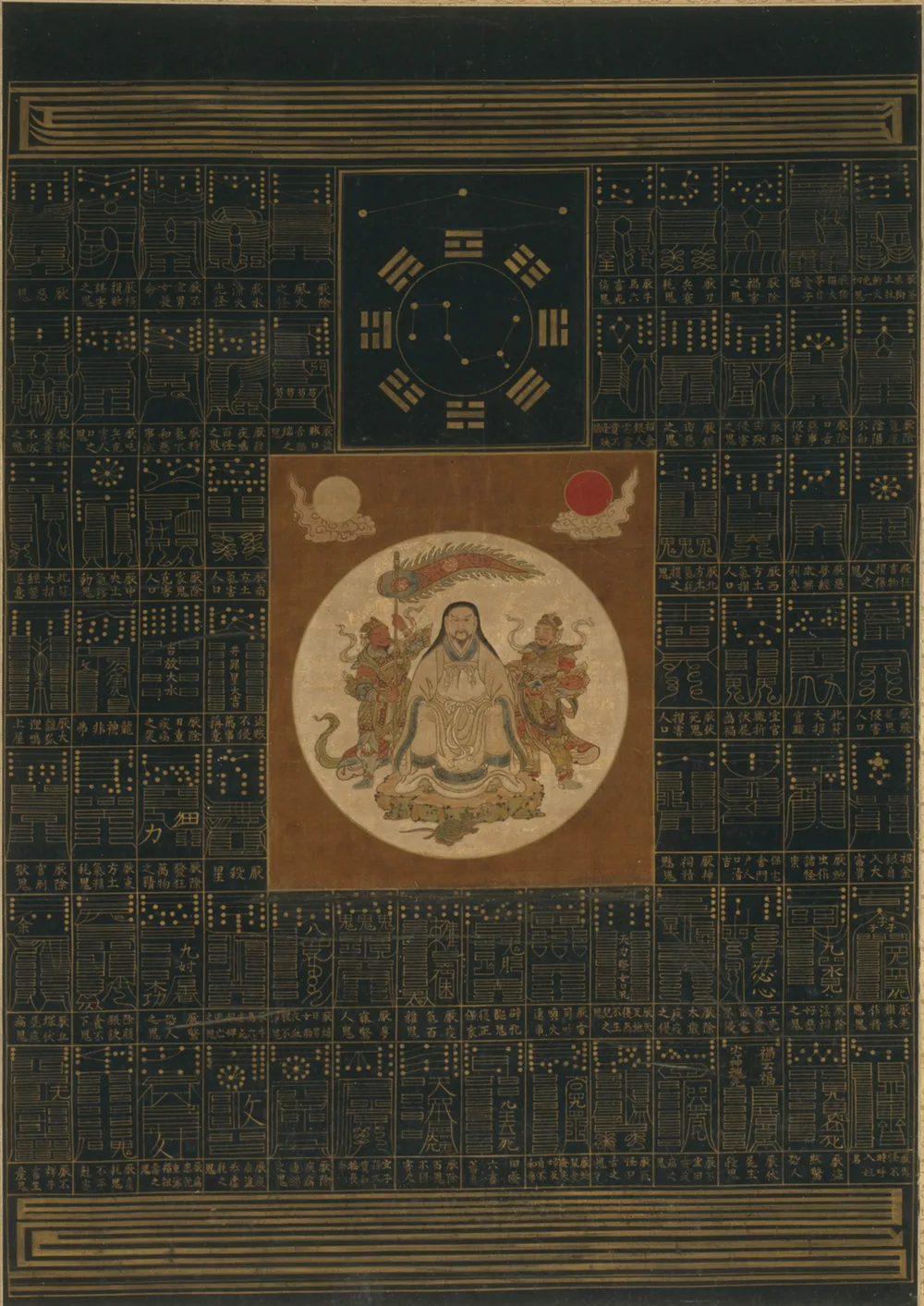
Many English readers first encounter the word bagua as a floor-plan grid on Pinterest or notice eight three-line emblems around an octagonal frame, often without a plain explanation of what those marks originally meant.
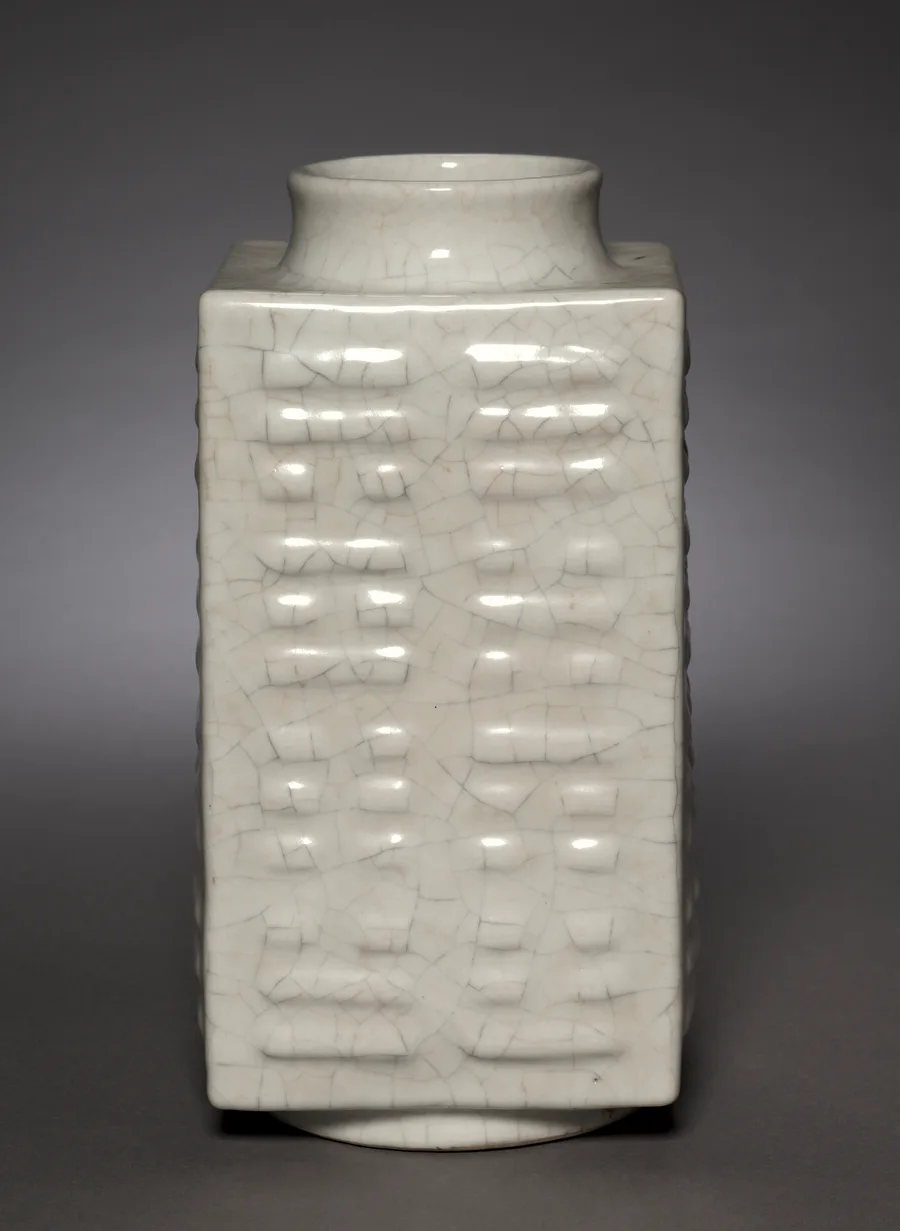
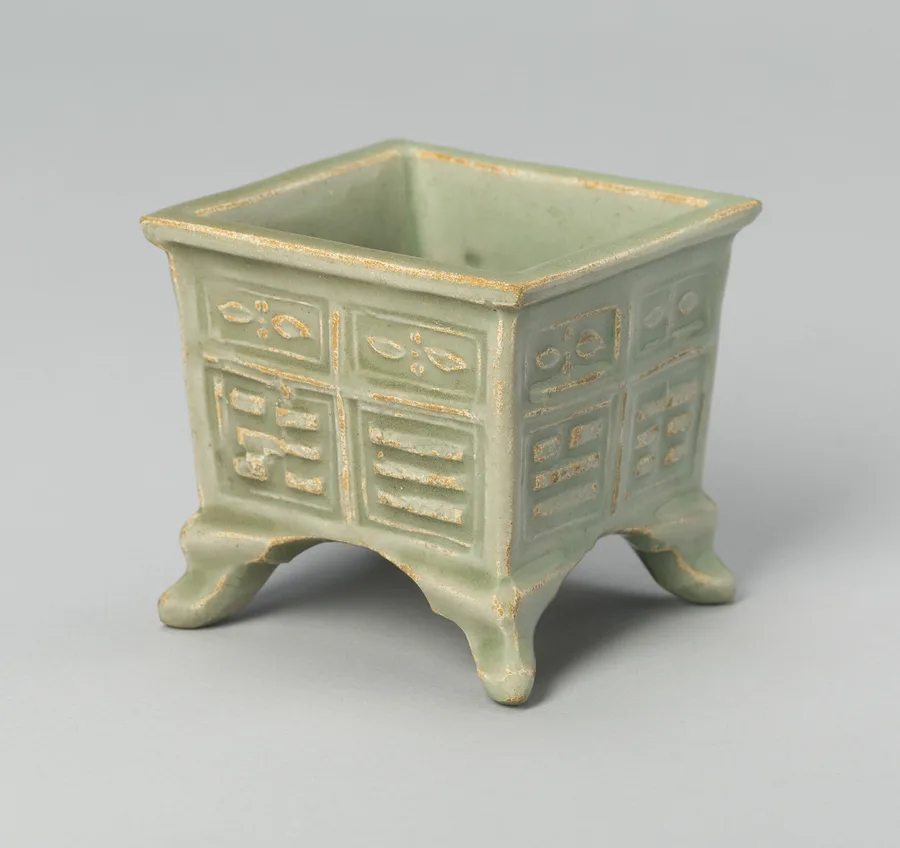
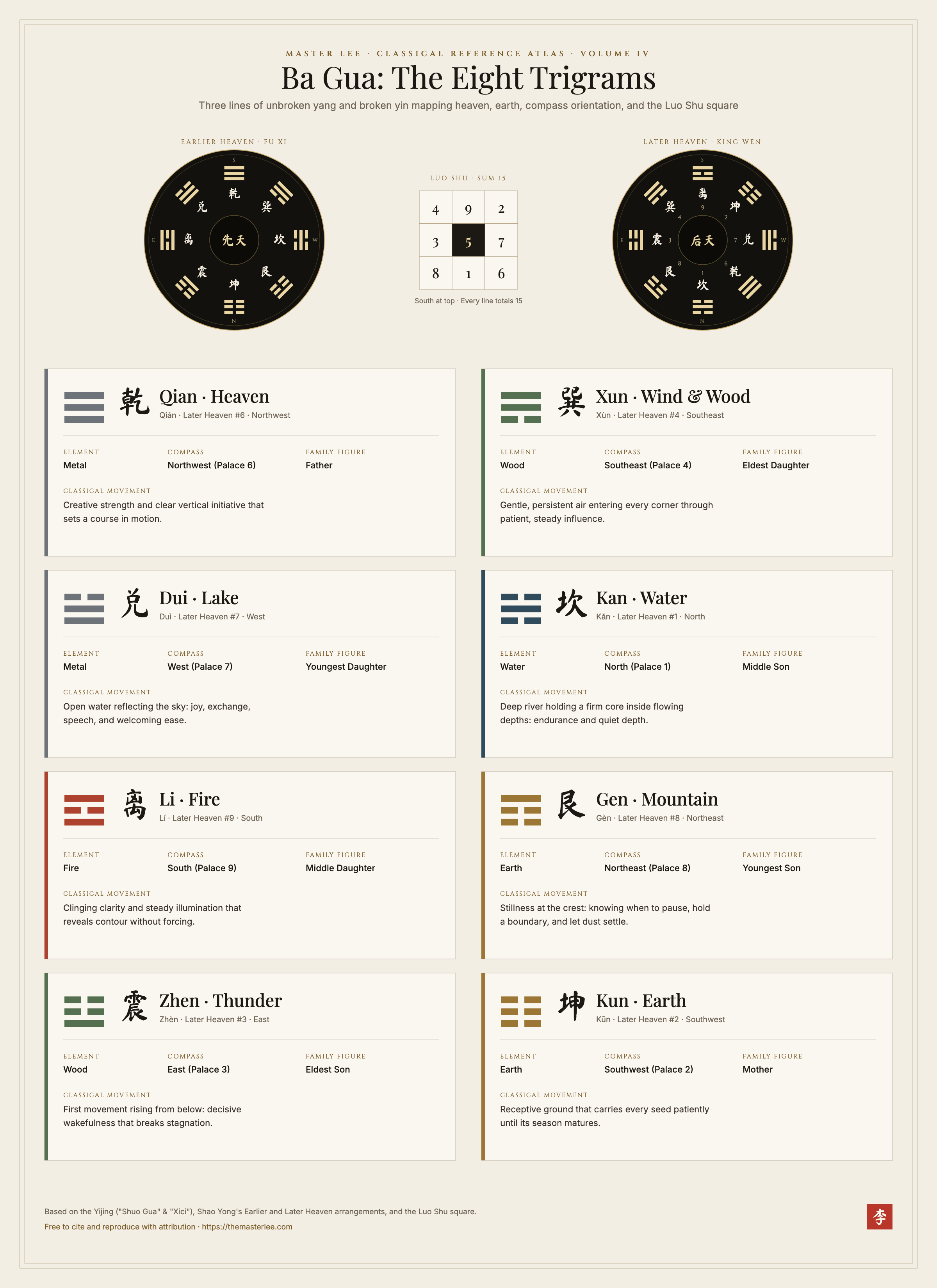
In classical Chinese, Ba Gua translates directly as the Eight Trigrams. Each trigram stacks three horizontal strokes, where an unbroken line represents yang (⚊) and a broken line represents yin (⚋).
Because two line types placed across three positions yield two times two times two combinations, eight figures complete the entire set. Every trigram is built and read from the bottom line upward, following the way a tree grows from root to crown.
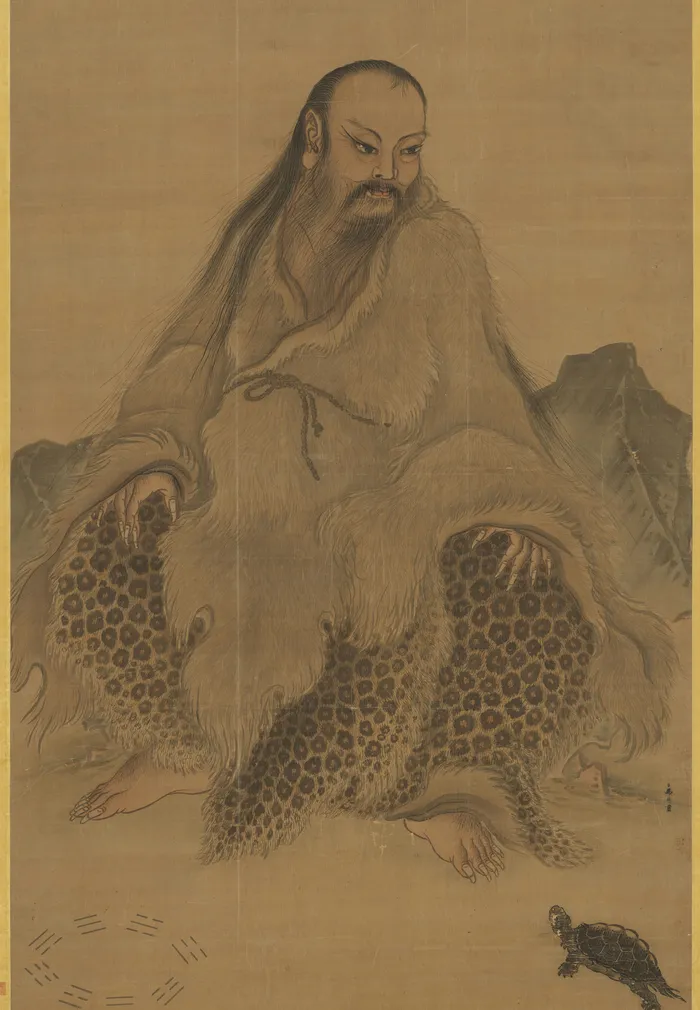
Tradition credits Fu Xi, a cultural ancestor of Chinese antiquity, with tracing these first eight figures. According to the Great Commentary attached to the Book of Changes, Fu Xi looked upward to observe patterns across the sky and looked downward to study the landforms of the earth.
He watched the markings of birds and animals alongside what suited each stretch of ground, gathering observations from lived experience and cues from the wider world before setting down the eight trigrams.
Read as cultural memory rather than dated biography, that passage preserves a plain origin. The trigrams began outdoors in direct observation of weather, terrain, and moving Chi.
In their classical setting, the eight trigrams name eight primary images of nature. In "Discussion of the Trigrams," a treatise among the Ten Wings commentaries compiled from the Warring States period into the Han dynasty, each three-line symbol pairs an outdoor phenomenon with an inner quality of motion or rest.
Qian is open Heaven above, and Kun is receptive Earth below. Zhen is the first stir of Thunder, while Xun is Wind moving through timber. Kan is flowing Water, Li is bright Fire, Gen is the Mountain ridge, and Dui is the open Lake.
Together they form an observational language for how heat, moisture, movement, and stillness meet outdoors.
Those eight figures also supply the alphabet of a larger classic. When one trigram rests below as an inner foundation and a second trigram sits above as an outer movement, the pair stacks into a six-line figure called a hexagram.
Combining all eight trigrams below with all eight above produces the sixty-four hexagrams that form the backbone of the Yijing, known in the West as the Book of Changes. While those sixty-four hexagrams examine six-line situations in detail, this volume stays with the eight trigrams themselves as China's foundational map of natural phenomena and directional space.